Heritage Area Development, Mathura
Project Summary
Mathura, the birthplace of Krishna, is a major centre of cultural heritage and pilgrimage tourism in North India. The city was selected as one of 12 heritage cities under the Heritage City Development and Augmentation Yojana (HRIDAY) of the Government of India. The scheme placed heritage at the centre of urban development, focusing on the provision of civic infrastructure and public amenities for residents and visitors, while strengthening the city’s identity as a cultural and pilgrimage destination.
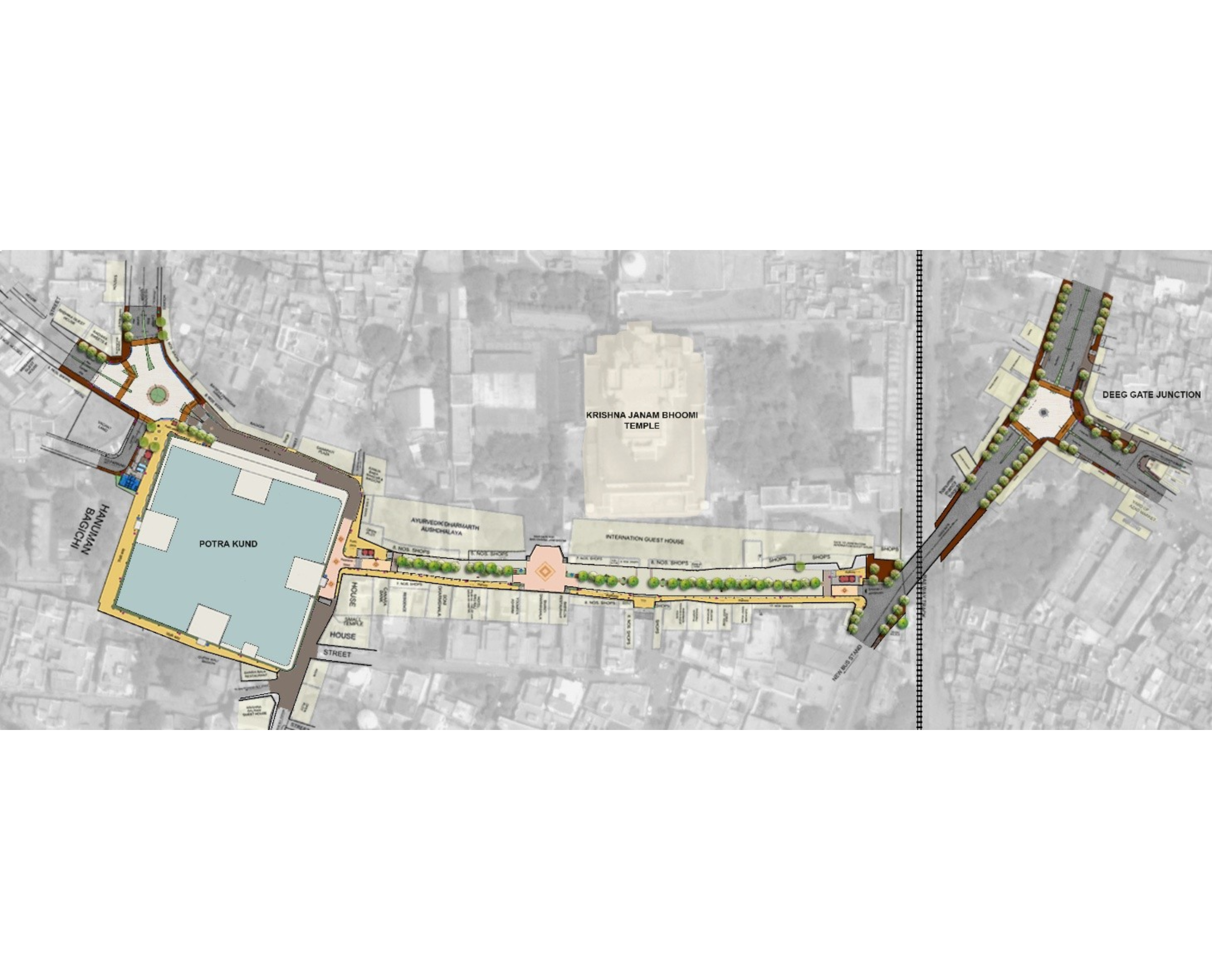
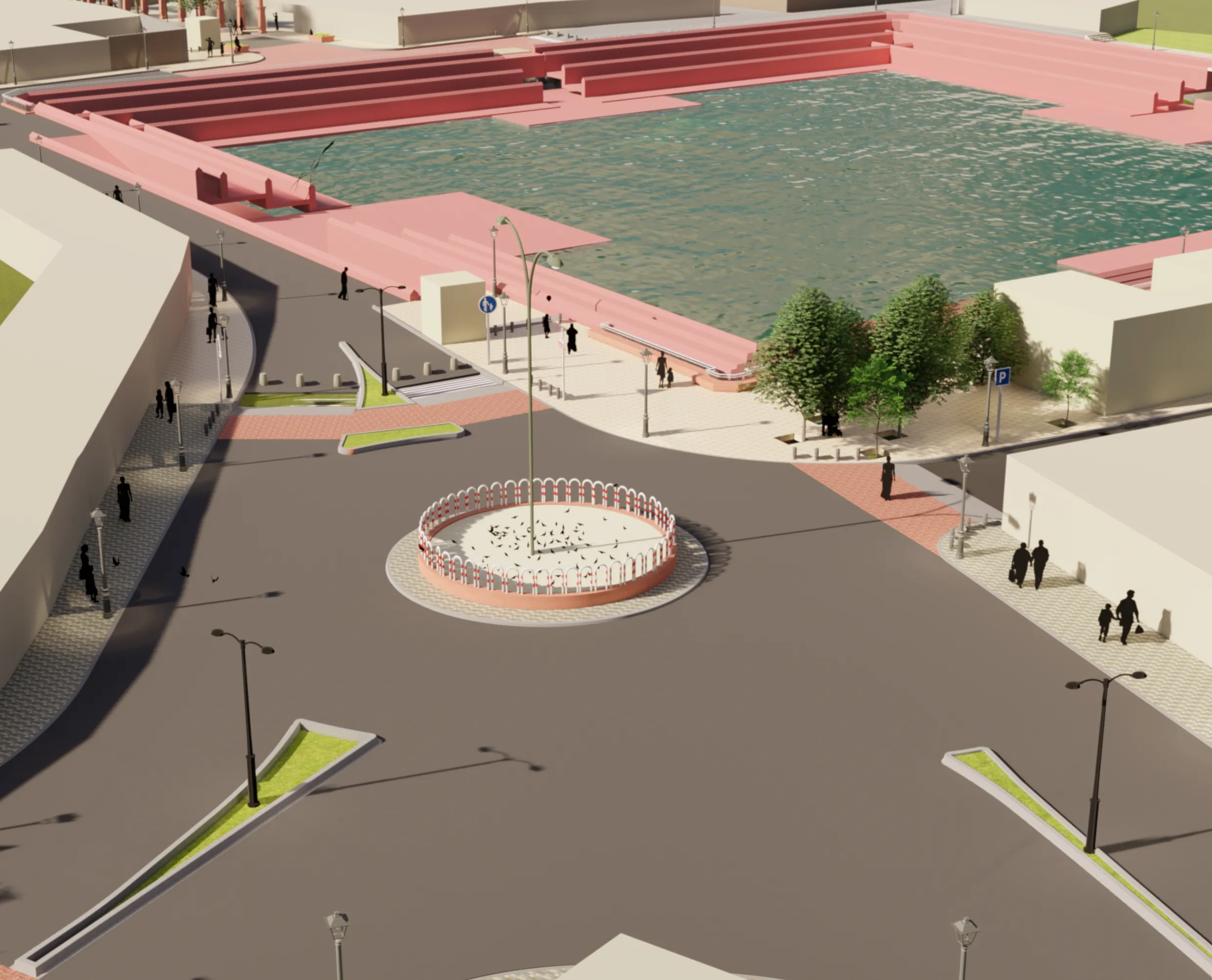
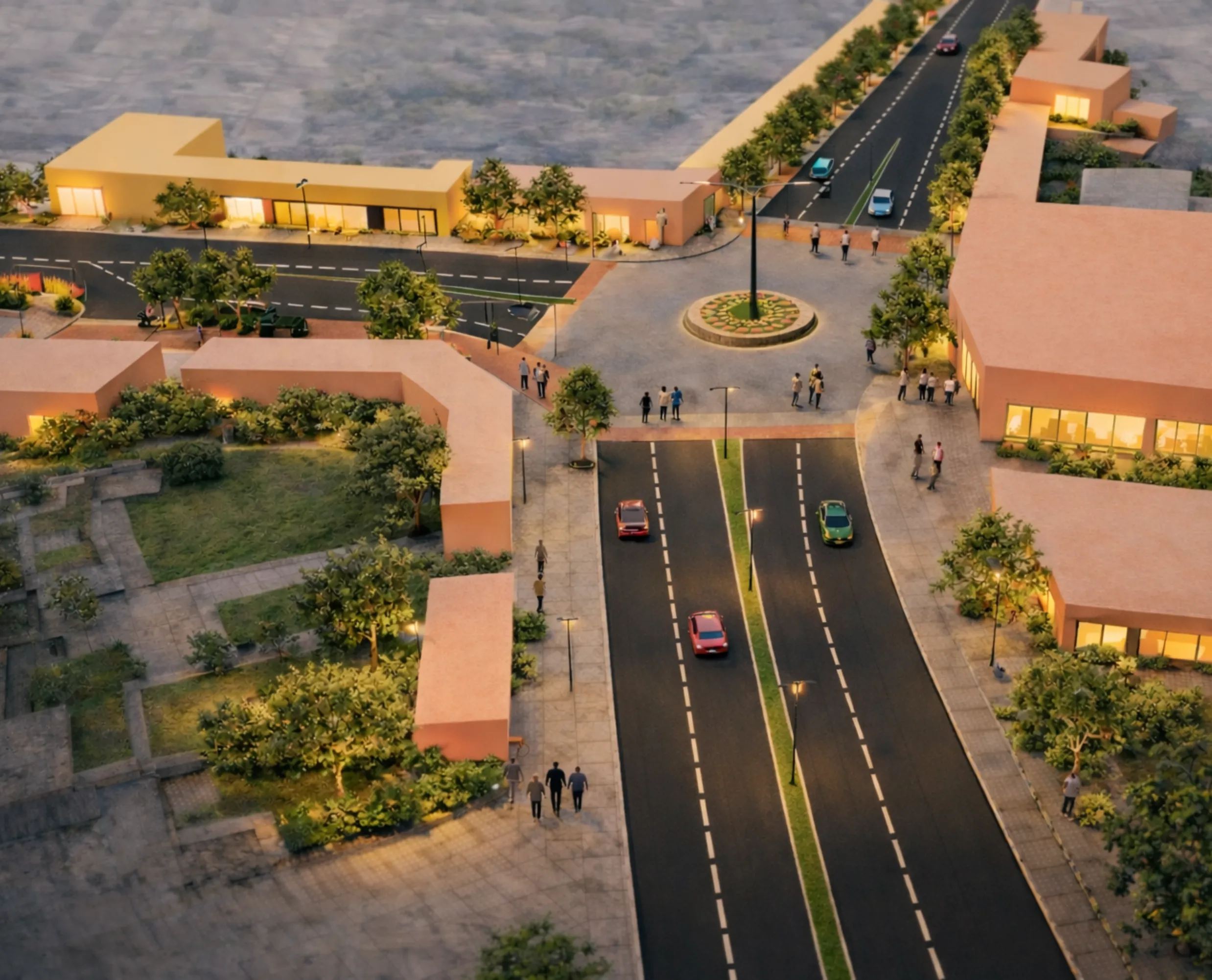
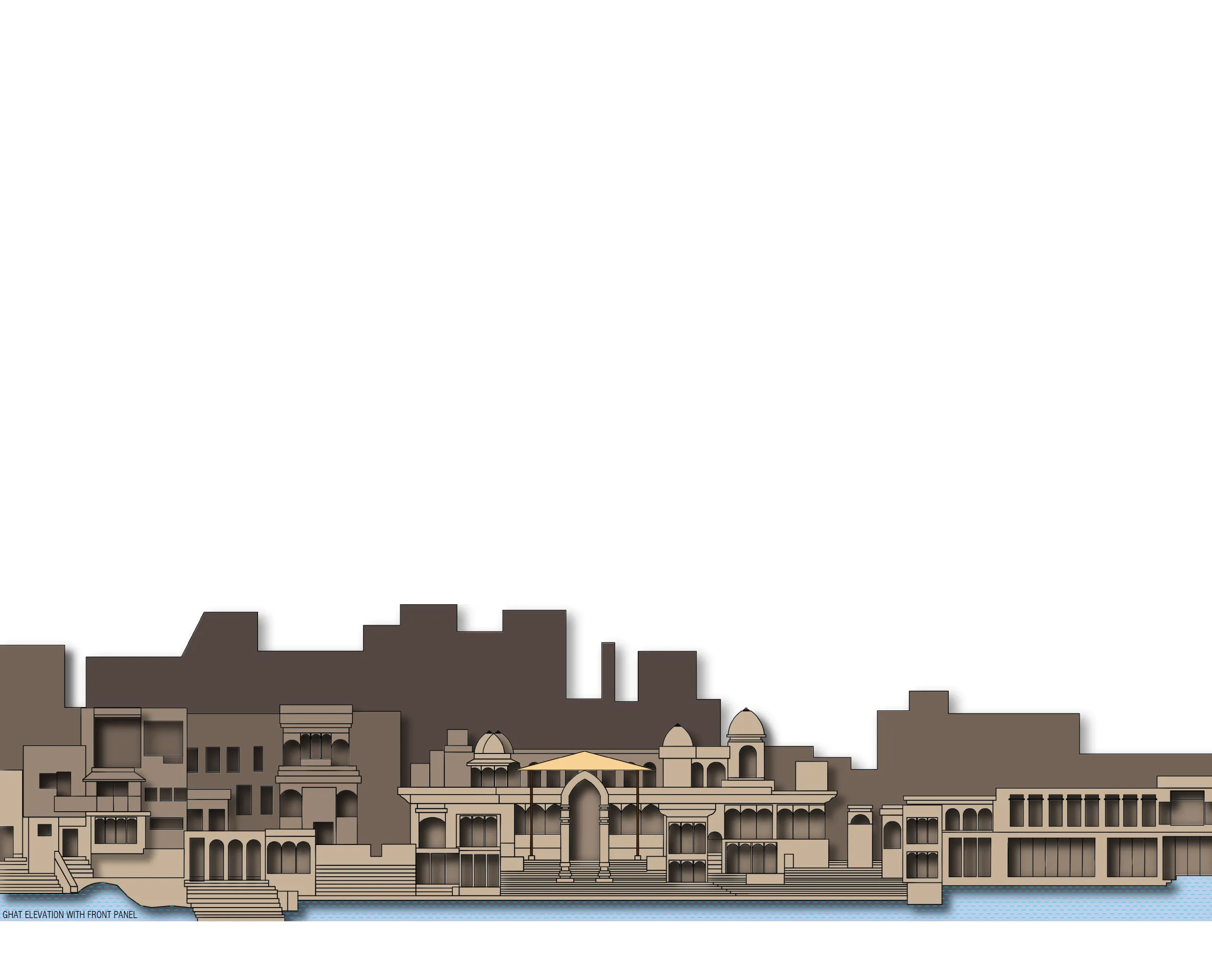
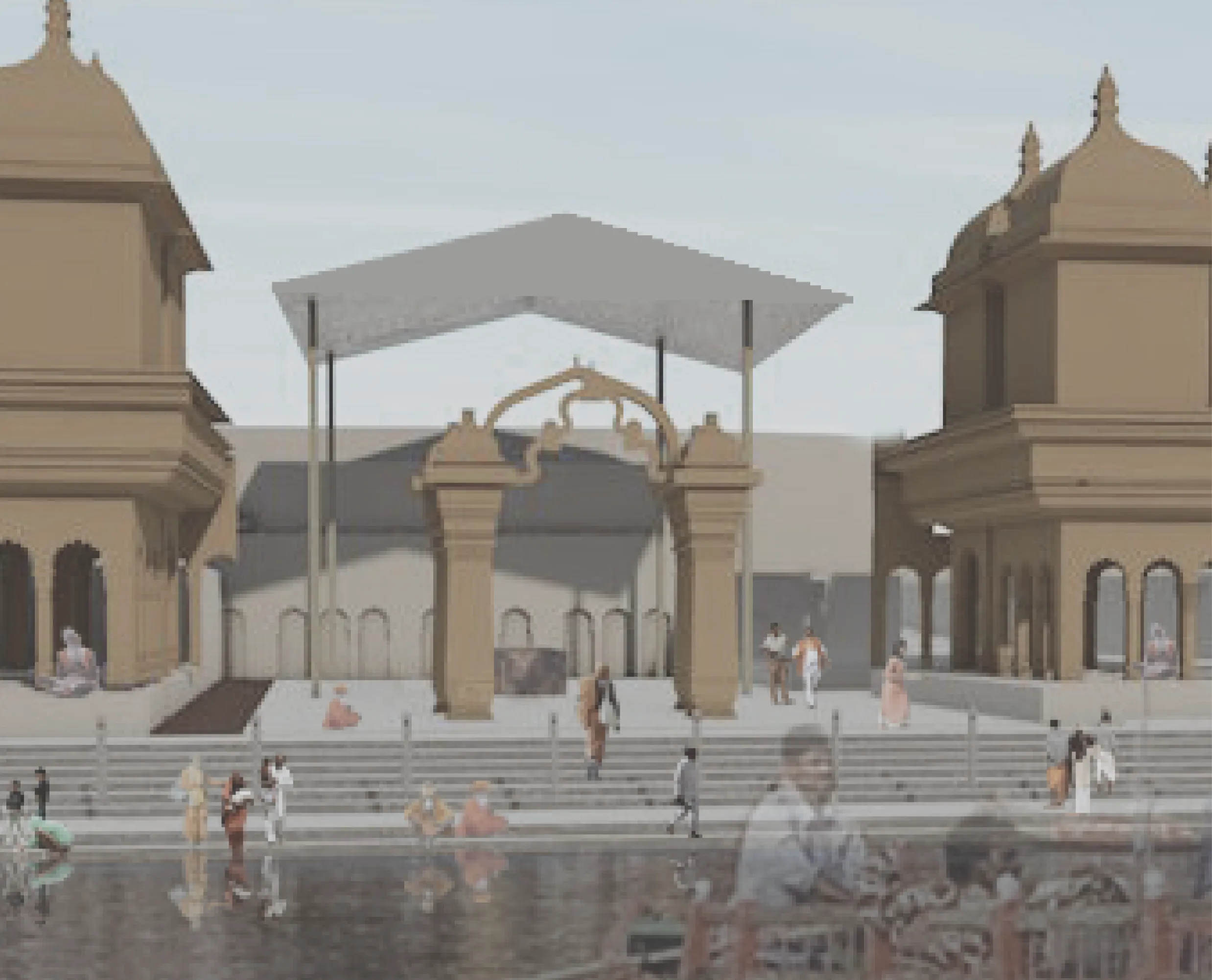
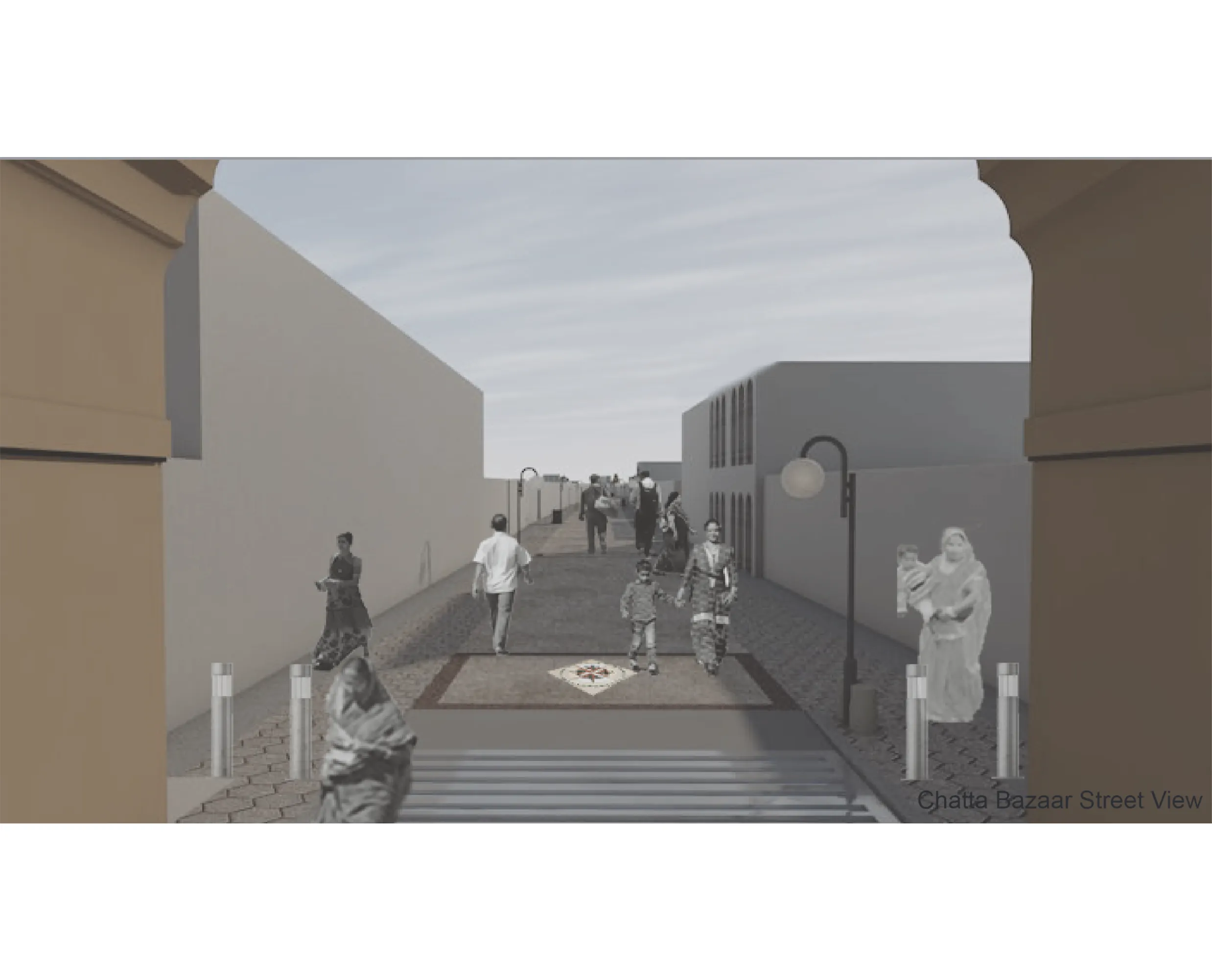
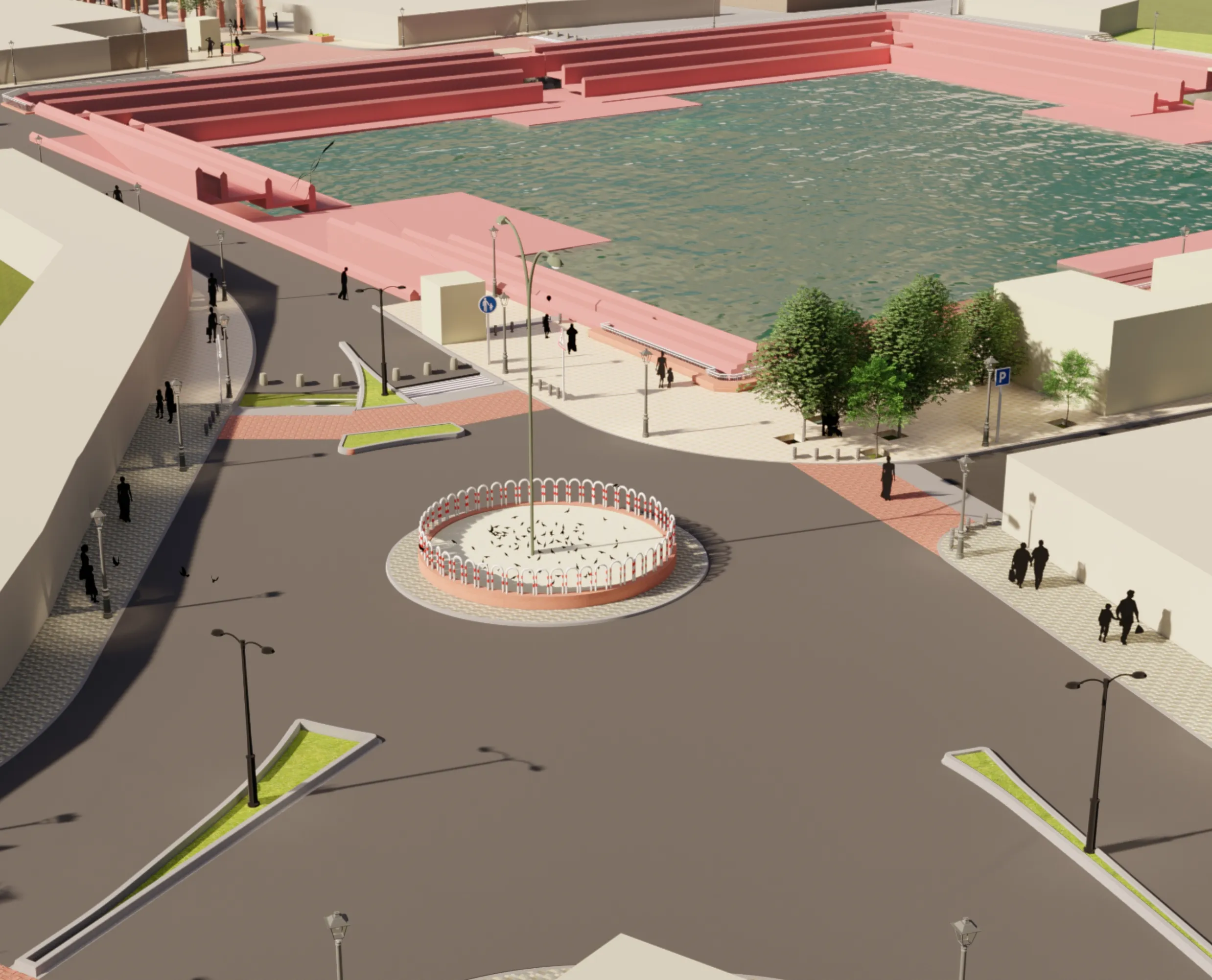
The proposed Area Development Plan focused on eight heritage zones: Shree Krishna Janmabhoomi and Potra Kund, Chhata Bazaar and Holi Gate Junction, Vishram Ghat, Shiv Tal Kund, Deeg Gate, Bhuteshwar Tiraha, State Bank Chauraha, and Masani Chauraha. The interventions addressed public amenities, civic infrastructure, accessibility and transportation, lighting, sewage and waste management, and streetscape improvements. Street geometry and public-realm design were developed with particular attention to the pedestrian experience, responding to the movement and spatial sequence of the pilgrimage journey. The upgradation of heritage properties and public spaces sought to accommodate contemporary requirements while retaining the character and cultural significance of each place, strengthening the relationship between heritage precincts, everyday civic infrastructure, and the experience of the city as a pilgrimage landscape.